A commitment to sustainability
at Bodegas Murua
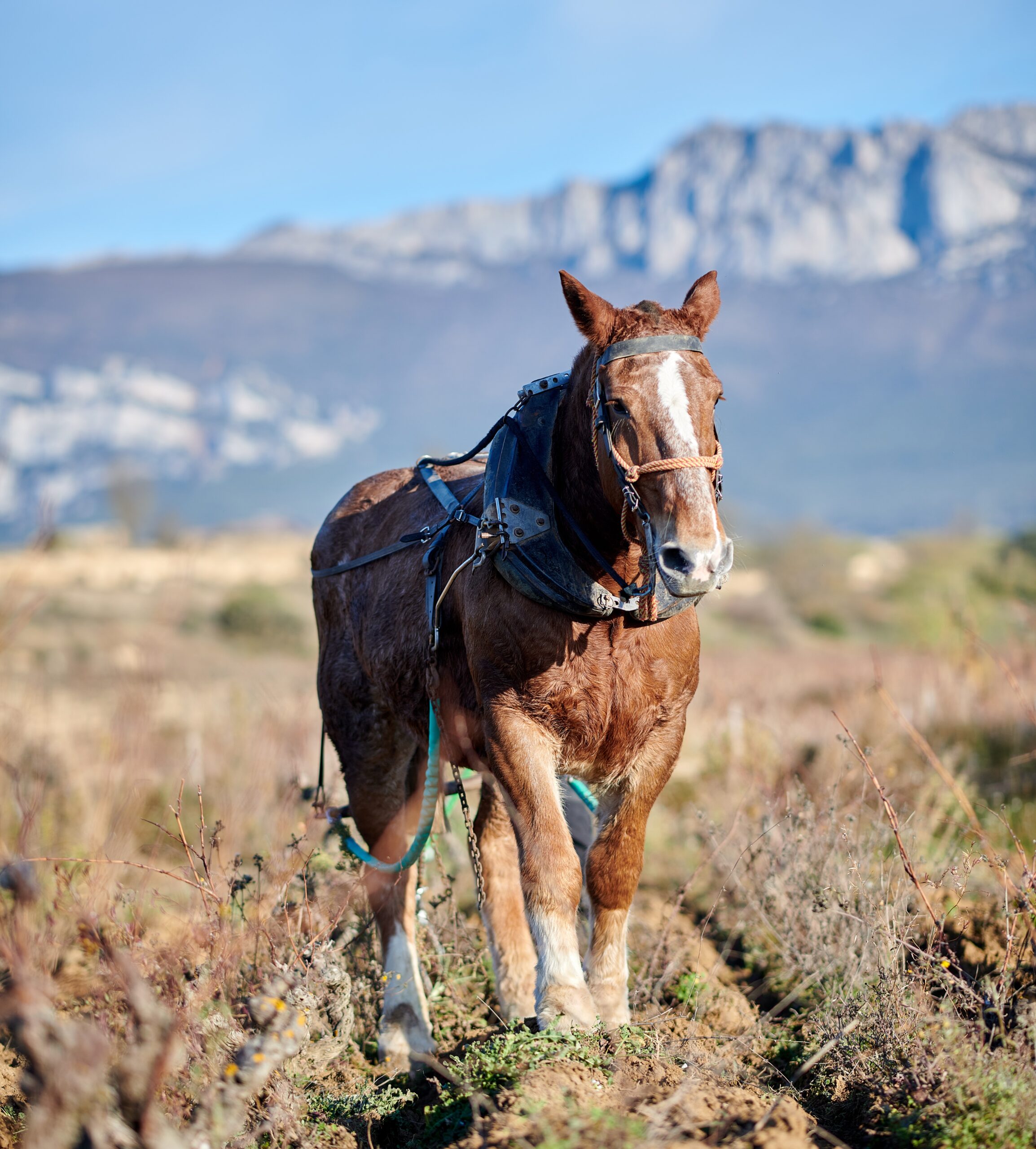
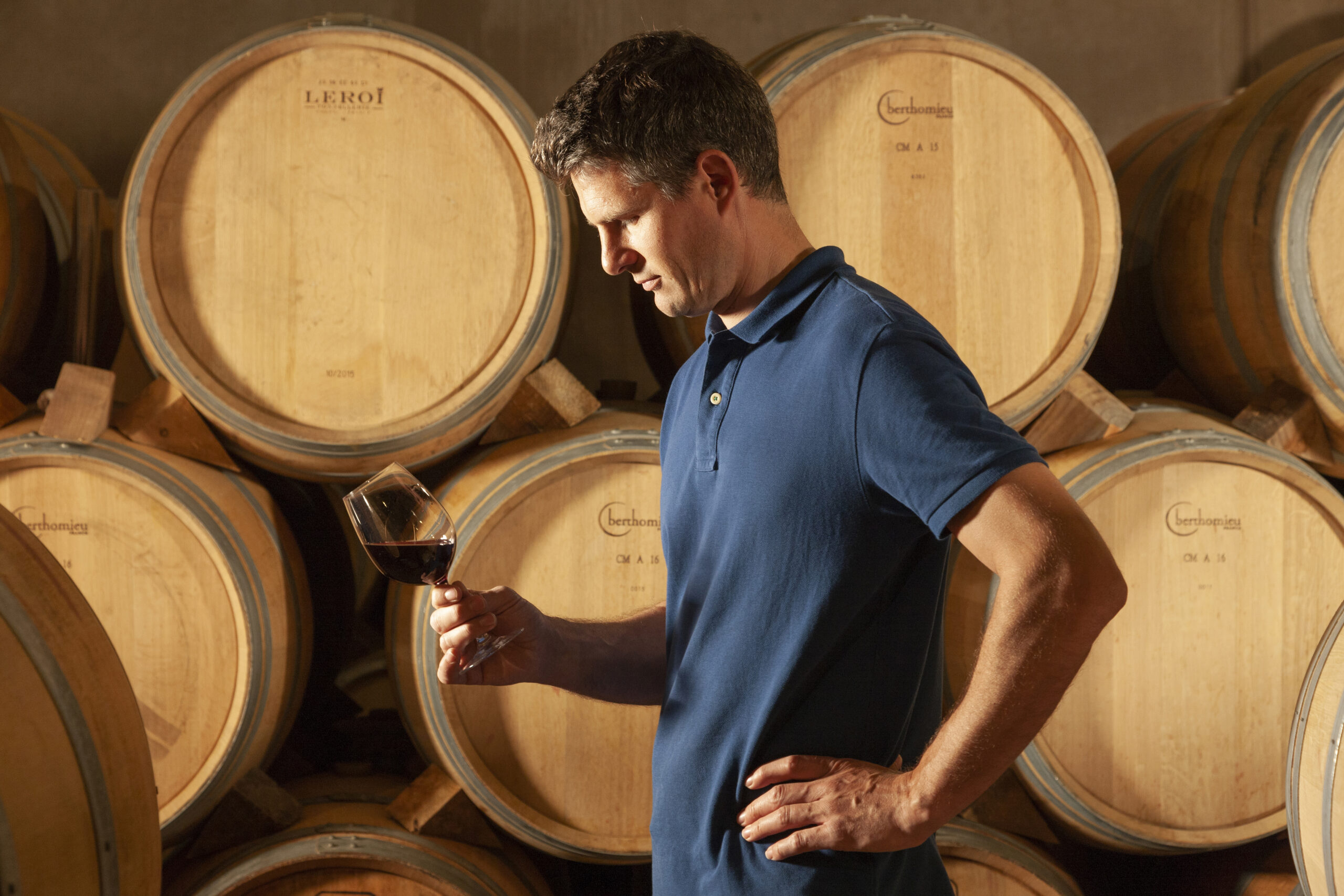
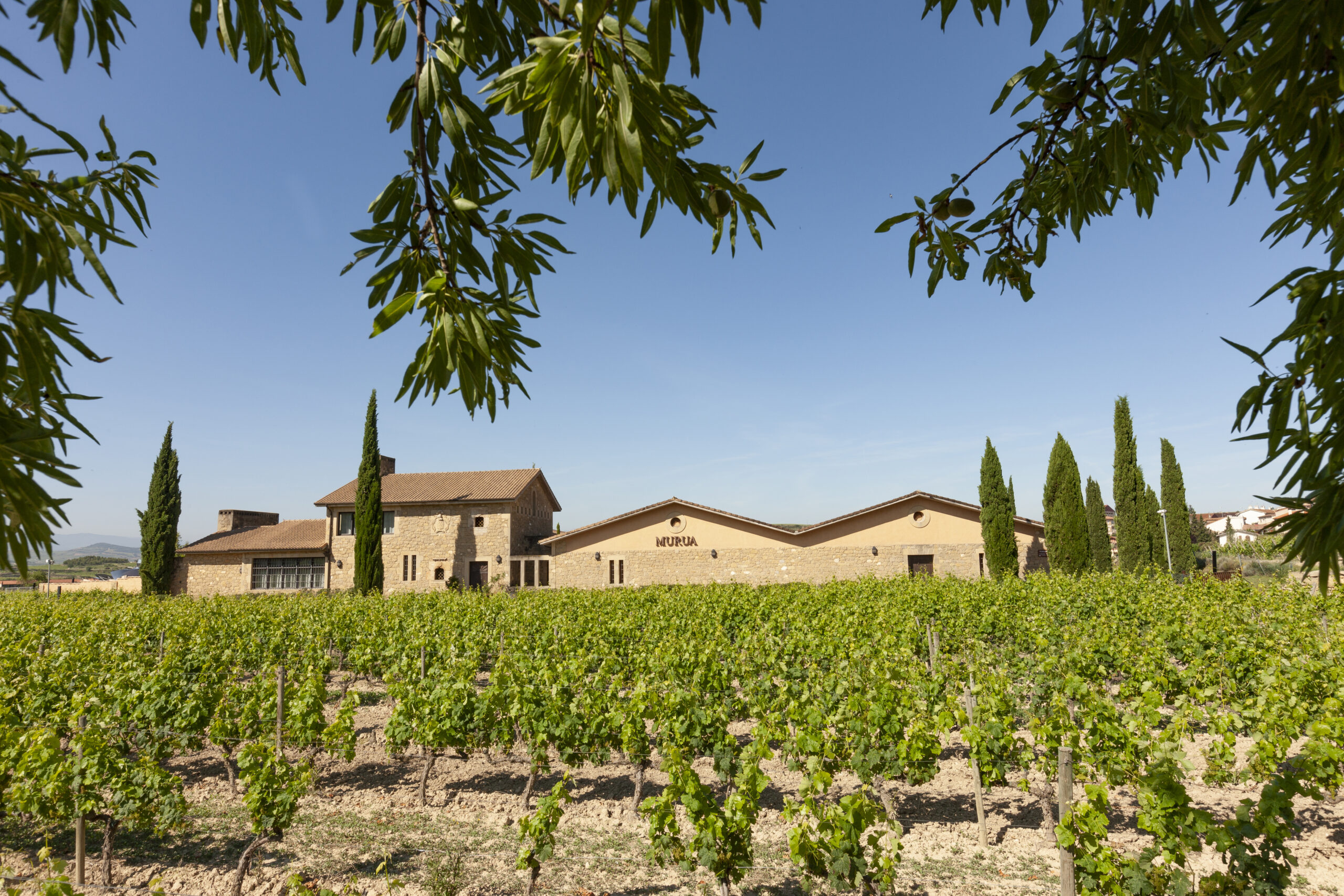
Bodegas Murua takes the utmost care over every detail of each of the 51 plots it owns in Elciego, where the winery is located (Rioja Alavesa), as well as in the nearby towns where it has vineyards (Laguardia, Villabuena de Álava, Leza, Lanciego and Navaridas), with the aim of improving the quality of the grapes day by day. Four plots make up 36 hectares, whilst the remaining 44 hectares are spread across plots of fairly small size – a characteristic of the area – ranging from 0.2 hectares for the smallest to 3.35 hectares for the largest. This also requires the winery to monitor, taste and tend to each area separately, continuously tracking the development of the vines and grapes in the vineyards, as well as applying specific care and control to each plot, including practices such as carrying out certain field tasks using horses, as it is impossible to perform them adequately by mechanical means. Aware of the investment and time required for certain manual practices, Murua is committed to offering and ensuring the highest quality in its wines through meticulous precision in its work.

The Sustainable Wineries label
This winery holds the Sustainable Wineries for Climate Protection (SWFCP) certification, which demonstrates its efforts to combat climate change, its commitment to environmental and social sustainability, its economic efficiency and its high ethical standards. Furthermore, this certification – which assesses wineries’ performance across four areas: environmental, social, economic and governance – enables an evaluation of the wineries’ commitment to aspects such as the reduction of greenhouse gas (GHG) emissions, energy efficiency, the reduction of waste generation, and the proper management and responsible use of water.
The Sustainable Wineries label
Esta bodega mantiene el sello Sustainable Wineries For Climate Protection (SWFCP) que demuestra su lucha contra el cambio climático, el compromiso con la sostenibilidad medioambiental y social, la eficiencia económica y el buen comportamiento ético. Además, este certificado; que evalúa la actuación de las bodegas en cuatro ámbitos como son el medioambiental, el social, el económico y el de gobernanza; permite evaluar el compromiso de las bodegas en aspectos como son la reducción de gases de efecto invernadero (GEI), la eficiencia energética, la reducción de la generación de residuos, la gestión correcta del agua, así como su uso responsable.
Organic vineyard and regenerative viticulture
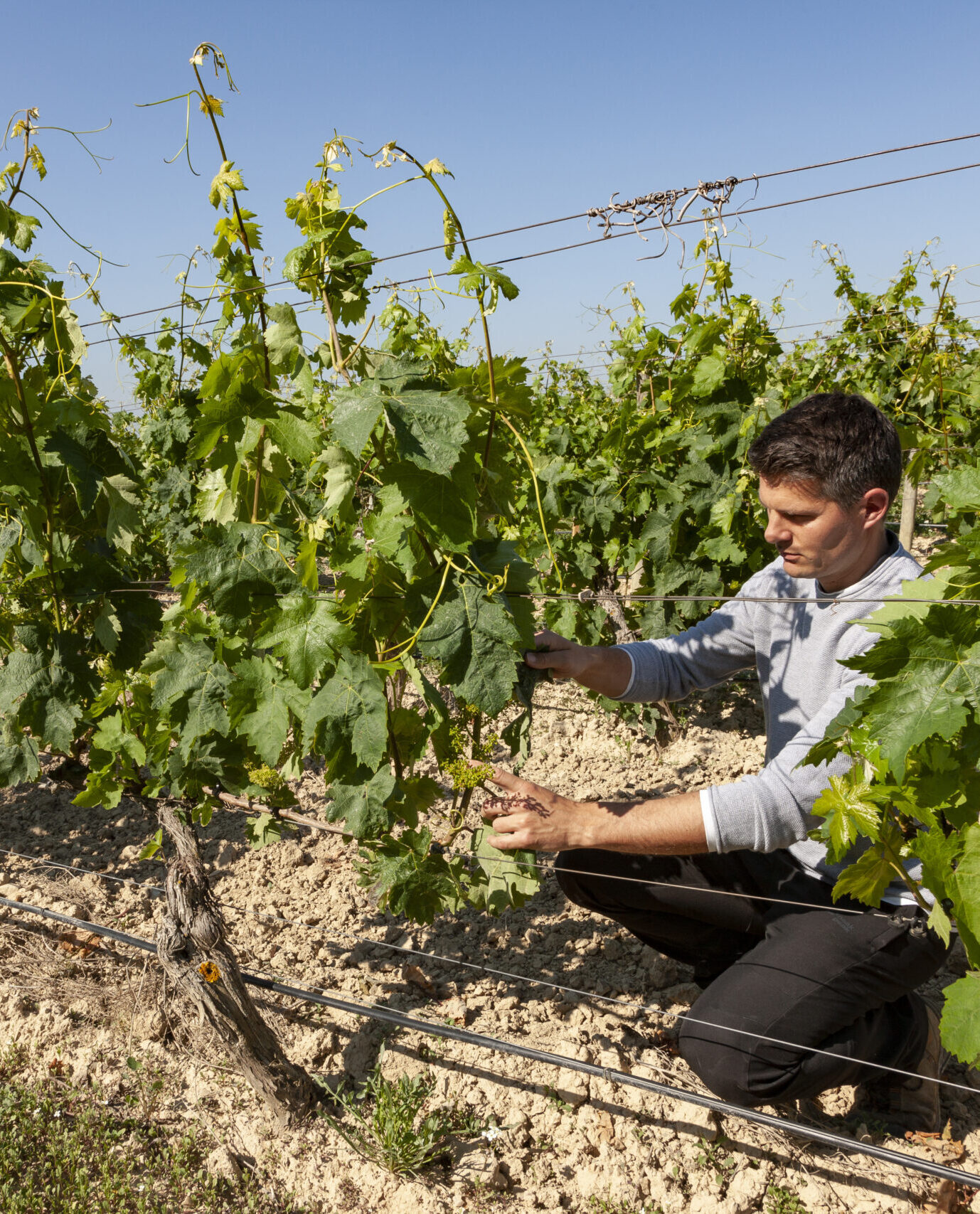
Since 2015, Murua has been gradually converting its vineyard to organic farming, and today 100 per cent (80 ha) of the vineyard is organic. Every year, the winery conducts an ongoing search for older plots to assess the possibility of acquiring them and converting them to organic farming. Bodegas Murua, in line with its sustainable philosophy, practises regenerative viticulture. This is a viticultural model that seeks to regenerate the soil and increase its capacity to capture atmospheric carbon, one of the causes of global warming. This project is carried out through sheep grazing, the use of nest boxes, the planting of fruit trees, the study of the relationships between fauna and flora, and the use of ground cover, which Murua chooses to maintain—either partially or permanently—on many of its plots, thereby promoting biological activity in the soil and its natural balance.
The winery aims to work in line with the principles of permaculture, which is essential for producing authentic, distinctive grapes, as well as for addressing the various challenges posed by climate change.
A biological balance
Furthermore, this winery practises natural pest control, a system of biological balance based on protecting and encouraging the breeding of beneficial species, which in turn benefits the crops themselves and helps to improve the ecosystem of the vineyard, as well as the area surrounding the winery. The aim is to promote biodiversity by naturally reducing pest pressure whilst maintaining productivity, limiting fungal diseases and enhancing the longevity of the vines and ensuring an excellent quality of raw material.
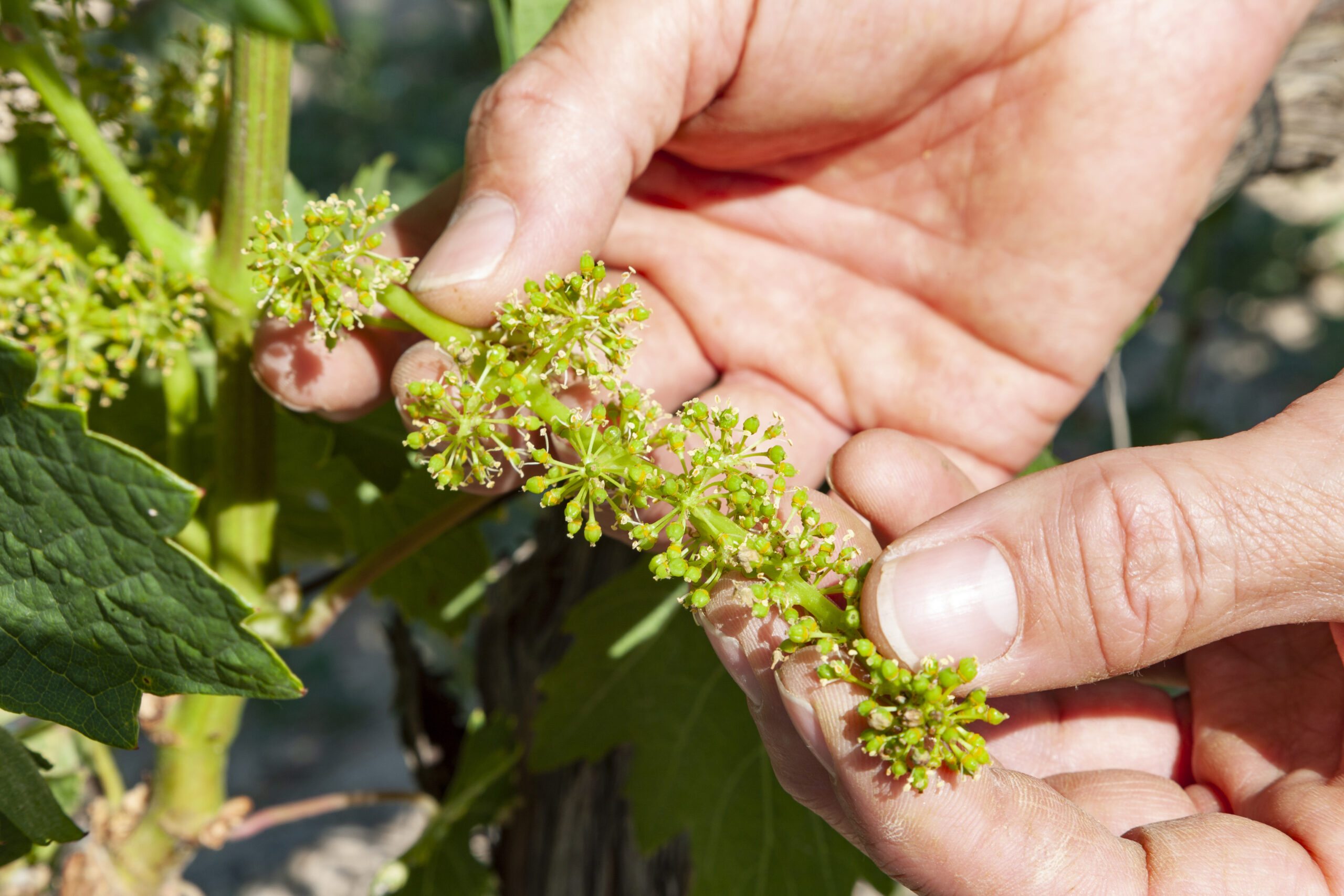
A biological balance
Furthermore, this winery practises natural pest control, a system of biological balance based on protecting and encouraging the breeding of beneficial species, which in turn benefits the crops themselves and helps to improve the ecosystem of the vineyard, as well as the area surrounding the winery. The aim is to promote biodiversity by naturally reducing pest pressure whilst maintaining productivity, limiting fungal diseases and enhancing the longevity of the vines and ensuring an excellent quality of raw material.
Espaldera Project
Murua recognises the importance of viticulture that respects and works in harmony with nature, whilst maintaining its status as a vineyard participating in the Espaldera Project, which involves lowering the overhead wires to the height of the vine during the months when there are no shoots or leaves, in order to reduce the risk of collision for Bonelli’s eagles and other bird species.
Precision and energy
New technologies also enable comprehensive monitoring of the vineyards and accurate forecasting, thanks to the three weather stations Murua operates in different locations, which facilitate rapid and precise decision-making and enable the estate to anticipate potential future challenges.
Bodegas Murua can generate up to 66 MWh per year and achieve energy savings of 28.23 per cent thanks to the installation of 112 solar panel modules at the winery. As a result, the annual photovoltaic energy generated will prevent CO₂ emissions into the atmosphere.
Espaldera Project
Murua recognises the importance of viticulture that respects and works in harmony with nature, whilst maintaining its status as a vineyard participating in the Espaldera Project, which involves lowering the overhead wires to the height of the vine during the months when there are no shoots or leaves, in order to reduce the risk of collision for Bonelli’s eagles and other bird species.
Precision and energy
New technologies also enable comprehensive monitoring of the vineyards and accurate forecasting, thanks to the three weather stations Murua operates in different locations, which facilitate rapid and precise decision-making and enable the estate to anticipate potential future challenges.
Cultural and historical heritage
Furthermore, as part of its commitment to the restoration of cultural and historical heritage, this winery has restored a 19th-century hut situated on the edge of the estate to its original condition, thereby protecting this archaeological heritage, which bears witness to the vital role that wine-making has played in the Rioja Alavesa since time immemorial.
Cultural and historical heritage
Furthermore, as part of its commitment to the restoration of cultural and historical heritage, this winery has restored a 19th-century hut situated on the edge of the estate to its original condition, thereby protecting this archaeological heritage, which bears witness to the vital role that wine-making has played in the Rioja Alavesa since time immemorial.
Thanks to this attentiveness to nature – which enables the meticulous day-to-day care of our own vineyards and a deep commitment to sustainability whilst respecting the vineyard’s natural cycle – and by utilising the latest technologies, such as the optical sorting table and data on the vines and their vigour obtained via drones, Murua has, in recent years, succeeded in producing wines that better express the essence of the terroir and its character.